Best Dehumidifiers for Preventing Mould: Complete Guide to Home Humidity Control for Mould
Maintaining proper indoor moisture levels is essential for a healthy living environment. The rise in damp conditions across homes has made the Best Dehumidifiers for Preventing Mould an essential investment for homeowners. Excess humidity creates the perfect breeding ground for mould spores, especially in carpets, upholstery, and hidden corners. Understanding how to reduce humidity to stop mould is not only about comfort—it directly impacts health, air quality, and property longevity.
Understanding Mould Growth and Home Humidity Control for Mould
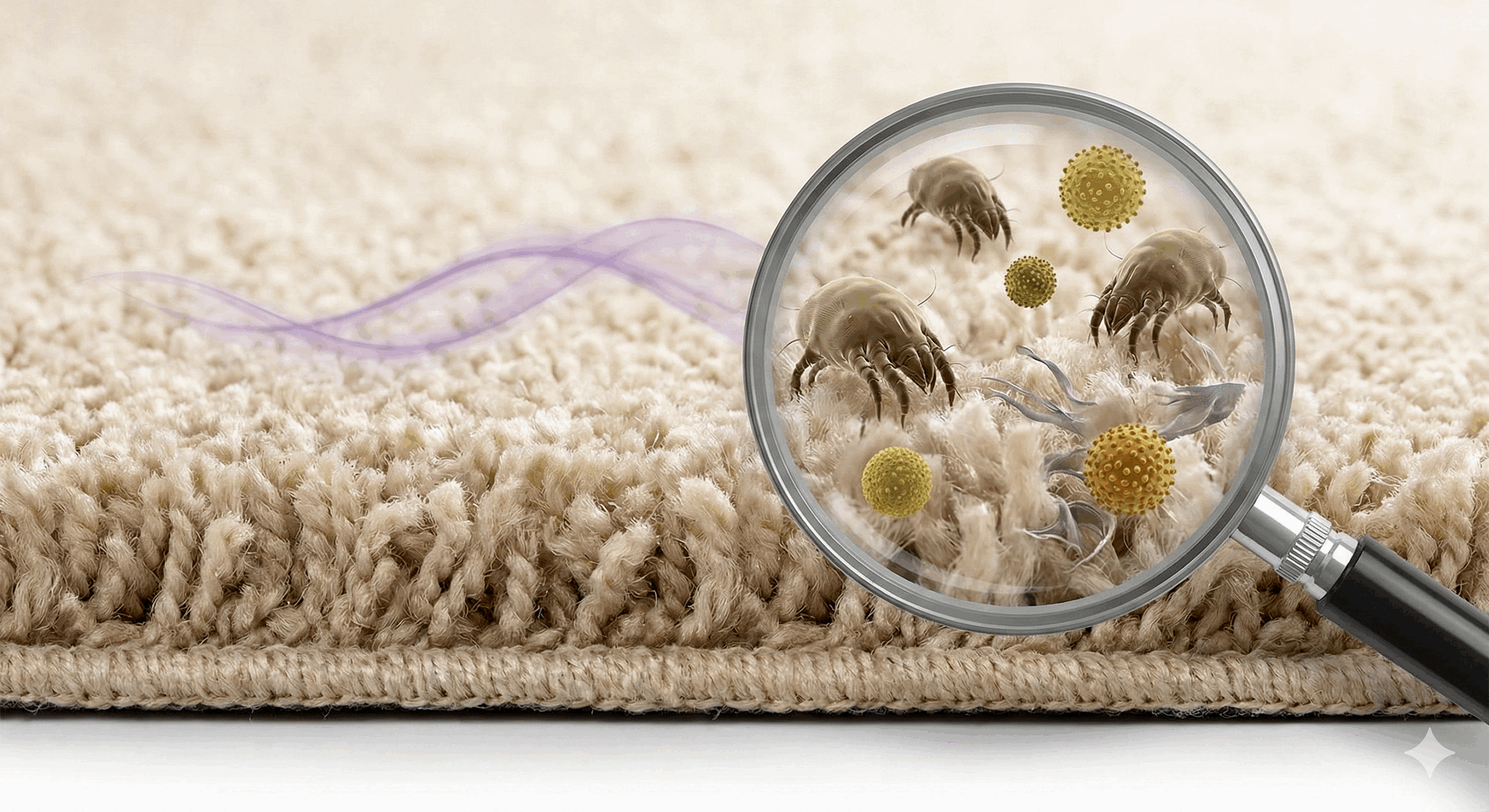
Mould thrives in environments where moisture, warmth, and organic material are present. Carpets, rugs, and upholstered furniture are particularly vulnerable because they trap moisture deep within fibers. Without proper home humidity control for mould, spores multiply quickly and become difficult to eliminate.
Humidity levels above 60% create ideal conditions for mould growth. Bathrooms, basements, and poorly ventilated rooms often experience this issue. Once mould takes hold, it can spread rapidly across surfaces, including carpets. If left untreated, mould can affect indoor air quality and potentially lead to health concerns, as discussed in this detailed article:
Can mouldy carpet make you sick?.
Proper humidity control involves consistent monitoring, ventilation improvements, and the use of dehumidifiers. Combining these methods ensures a long-term solution rather than temporary relief.
Why Dehumidifiers Are Essential for Damp Rooms
A best dehumidifier for damp rooms works by extracting excess moisture from the air, maintaining optimal humidity levels between 30% and 50%. This significantly reduces the risk of mould growth in carpets and other soft surfaces.
Dehumidifiers are especially important in:
- Basements and garages
- Bedrooms with poor ventilation
- Homes with water damage history
- Areas with frequent condensation
By continuously removing moisture, these devices create an environment where mould cannot thrive. Additionally, they help preserve carpets, prevent odors, and improve indoor comfort.

Key Features of the Best Dehumidifiers for Preventing Mould
When selecting the Best Dehumidifiers for Preventing Mould, it’s important to consider several technical and practical features:
- Capacity: Measured in litres per day, indicating how much moisture the unit can remove.
- Auto Humidity Control: Maintains desired humidity levels automatically.
- Continuous Drain Option: Eliminates the need for manual emptying.
- Energy Efficiency: Reduces electricity consumption.
- Air Filtration: Captures airborne particles and improves air quality.
Choosing the right unit depends on room size, moisture levels, and usage frequency. Larger spaces require higher-capacity models, while smaller rooms can benefit from compact units.
How to Reduce Humidity to Stop Mould Effectively
To effectively reduce humidity to stop mould, a combination of strategies should be implemented:
- Use exhaust fans in kitchens and bathrooms
- Fix leaks promptly
- Open windows for ventilation
- Use moisture absorbers in small spaces
- Install a reliable dehumidifier
Regular maintenance of carpets also plays a crucial role. Deep cleaning methods such as steam cleaning can eliminate moisture buildup and contaminants. Learn more about this process here:
Steam cleaning benefits.
How to Prevent Mould in Carpets
Understanding how to prevent mould in carpets is essential for maintaining a clean and healthy home. Carpets absorb moisture easily, making them vulnerable to mould growth if not properly maintained.
- Dry carpets immediately after spills or cleaning
- Use dehumidifiers in carpeted rooms
- Vacuum regularly to remove organic debris
- Avoid over-wetting during cleaning
- Ensure proper airflow in all rooms
If carpets have already been exposed to moisture damage, professional cleaning may be necessary. For guidance, refer to:
How to remove mould from carpets permanently.
Common Mistakes in Humidity Control
Many homeowners unintentionally worsen humidity problems by making simple mistakes:
- Overusing humidifiers
- Ignoring small leaks
- Blocking ventilation pathways
- Using incorrect cleaning methods
Avoiding these errors is crucial for effective home humidity control for mould. Additional insights can be found here:
Carpet cleaning mistakes.
Benefits of Maintaining Optimal Humidity
Maintaining proper humidity levels offers several benefits:
- Prevents mould growth
- Improves indoor air quality
- Extends carpet lifespan
- Reduces allergens
- Enhances overall comfort
Proper humidity control also supports effective cleaning practices, ensuring carpets remain fresh and hygienic.

Professional Cleaning and Humidity Management
Combining dehumidification with professional cleaning services ensures the best results. Steam cleaning removes deep-seated dirt and moisture, preventing mould from developing in carpet fibers.
For more information about professional services, visit:
Professional steam cleaning services.
Unique FAQs About Dehumidifiers and Mould Prevention
1. Can mould grow even with a dehumidifier running?
Yes, if the dehumidifier is undersized or not properly maintained, humidity may remain high enough for mould growth.
2. Do carpets trap humidity even in air-conditioned rooms?
Yes, carpets can retain moisture within fibers, especially if airflow is limited.
3. Is nighttime humidity higher indoors?
Humidity often increases at night due to lower temperatures and reduced ventilation.
4. Can furniture placement affect humidity levels?
Yes, placing furniture against walls can restrict airflow and trap moisture.
5. How often should dehumidifiers be cleaned?
Filters and tanks should be cleaned every 2–3 weeks to ensure efficiency.
6. Do new carpets increase humidity temporarily?
Yes, new carpets can release moisture and chemicals that affect indoor humidity levels.
Advanced Strategies for Long-Term Home Humidity Control for Mould
While using the Best Dehumidifiers for Preventing Mould is a critical step, long-term success depends on combining multiple strategies. Moisture control is not a one-time fix—it requires a consistent and proactive approach to ensure that mould does not return.
One of the most effective strategies is integrating dehumidifiers with proper insulation. Poor insulation allows temperature differences between indoor and outdoor environments, leading to condensation on walls, windows, and floors. This moisture eventually settles into carpets and soft furnishings, increasing the risk of mould growth.
Another key factor is airflow management. Even the best dehumidifier for damp rooms cannot perform optimally if air circulation is restricted. Rearranging furniture, keeping vents clear, and occasionally opening windows can significantly improve moisture control.
- Install ceiling or exhaust fans in high-moisture areas
- Use moisture-resistant underlays beneath carpets
- Seal cracks and gaps in walls and flooring
- Monitor humidity using digital hygrometers
Combining these strategies ensures a comprehensive approach to home humidity control for mould, reducing the likelihood of recurrence and maintaining a healthier indoor environment.
The Role of Carpet Materials in Moisture Retention
Not all carpets respond to humidity in the same way. Some materials are more prone to retaining moisture, making them more susceptible to mould growth. Understanding these differences is essential when considering how to prevent mould in carpets.
Natural fibers such as wool are highly absorbent. While they offer comfort and durability, they can trap moisture if not properly maintained. Synthetic materials like nylon and polyester tend to resist moisture better but can still harbor mould if humidity levels remain high.
Regular cleaning and proper drying are essential regardless of material type. For example, improper drying after cleaning can lead to persistent dampness. Learn more about drying times and maintenance here:
How long does carpet cleaning take?.
Choosing the right carpet material, combined with effective humidity control, plays a significant role in preventing long-term mould issues.
Seasonal Humidity Changes and Their Impact
Humidity levels fluctuate throughout the year, and understanding these changes is essential for effective mould prevention. During colder months, indoor heating can create condensation, while warmer seasons often bring higher outdoor humidity levels indoors.
In Melbourne, winter is particularly challenging due to increased indoor moisture. Reduced ventilation and frequent rainfall contribute to damp conditions. Managing these seasonal variations requires adjusting dehumidifier settings and cleaning routines accordingly.
- Increase dehumidifier usage during winter
- Monitor humidity more frequently during rainy seasons
- Ensure carpets are thoroughly dried after cleaning
- Use additional ventilation during humid summer days
For more insights into seasonal cleaning practices, refer to:
Winter steam cleaning in Melbourne.
Hidden Moisture Sources You Might Overlook
Even with a high-quality dehumidifier, hidden moisture sources can undermine your efforts. Identifying these sources is crucial when trying to reduce humidity to stop mould.
Common hidden sources include:
- Leaking pipes behind walls
- Condensation from air conditioning units
- Moisture trapped under carpets or rugs
- Improperly sealed windows and doors
These issues often go unnoticed until mould becomes visible. Regular inspections and maintenance can help detect and resolve problems early, preventing costly damage and health risks.
How Professional Cleaning Complements Dehumidifiers
Dehumidifiers remove moisture from the air, but they do not eliminate contaminants already embedded in carpets. This is where professional cleaning becomes essential. Combining both methods provides a complete solution for mould prevention.
Steam cleaning, in particular, penetrates deep into carpet fibers, removing dirt, bacteria, and moisture. It also helps restore the structure of carpets, improving airflow within the fibers and reducing the likelihood of mould growth.
For a detailed explanation of cleaning effectiveness, visit:
The most effective method of carpet cleaning.
Regular professional cleaning ensures that carpets remain hygienic and free from hidden moisture buildup, complementing the performance of your dehumidifier.
Comparing Dehumidifiers vs Natural Ventilation
A common question homeowners ask is whether natural ventilation alone is enough to control humidity. While opening windows and doors can help, it is not always reliable—especially in humid or rainy climates.
Dehumidifiers offer consistent and controlled moisture removal, regardless of external conditions. They are particularly useful in enclosed spaces where ventilation is limited.
| Method | Advantages | Limitations |
|---|---|---|
| Dehumidifiers | Consistent humidity control, effective in all weather | Requires electricity and maintenance |
| Natural Ventilation | No energy cost, improves airflow | Dependent on weather conditions |
For optimal results, combining both methods is recommended. This ensures effective home humidity control for mould throughout the year.
When to Replace Carpets Affected by Mould
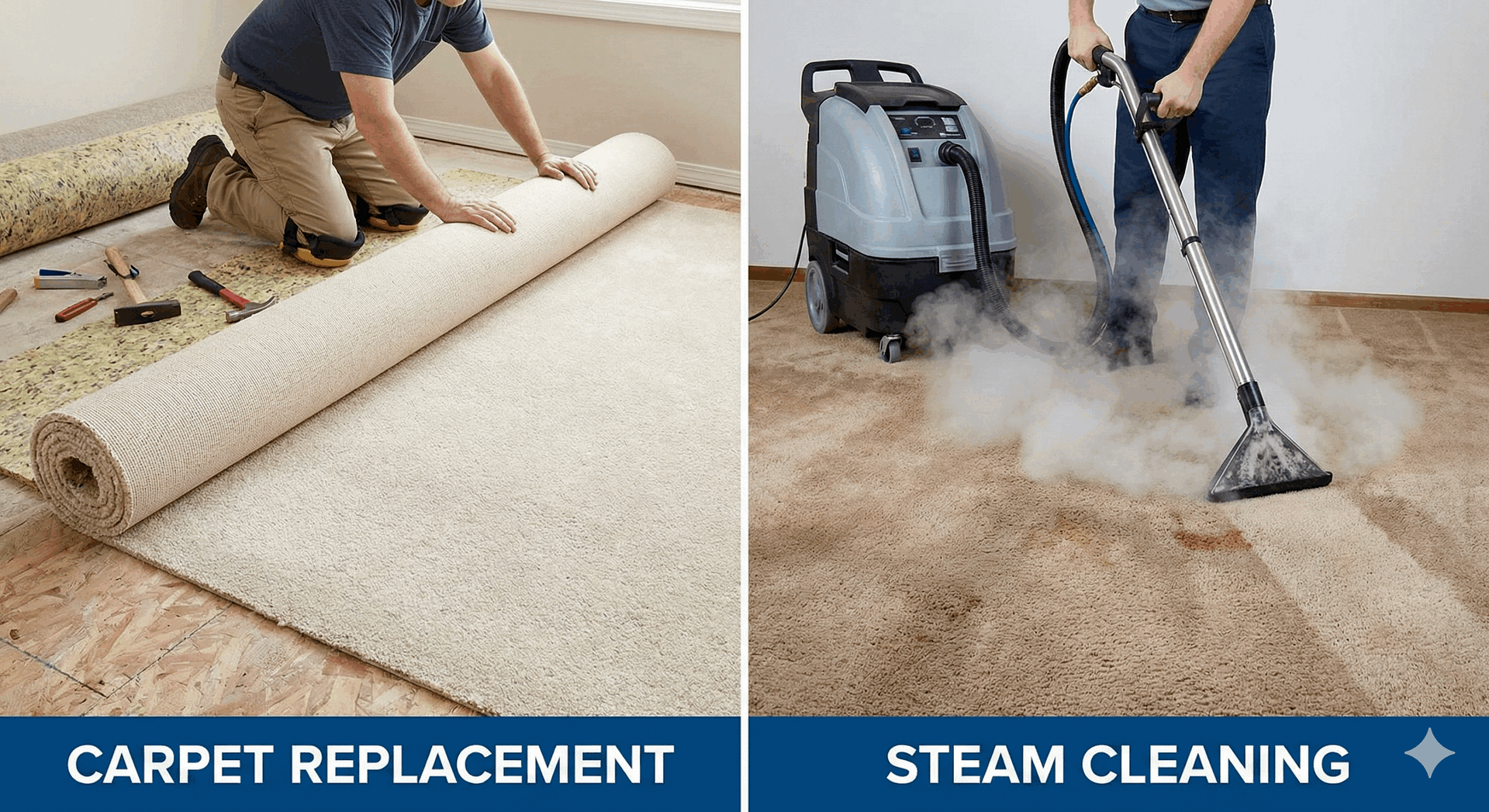
In some cases, carpets may be too damaged to restore. Persistent mould growth, strong odors, and visible staining are signs that replacement may be necessary.
However, replacement is not always the first solution. Professional cleaning can often restore carpets to a safe and usable condition. To understand the differences, refer to:
Carpet replacement vs steam cleaning.
Making the right decision depends on the severity of the damage, the type of carpet, and the effectiveness of previous cleaning efforts.
Final Thoughts on Preventing Mould with Dehumidifiers
Achieving a mould-free home requires a combination of the right tools, consistent maintenance, and informed decision-making. The Best Dehumidifiers for Preventing Mould play a central role in this process, but they are most effective when used alongside proper cleaning, ventilation, and regular inspections.
By understanding how to reduce humidity to stop mould and implementing practical strategies, homeowners can protect their carpets, improve indoor air quality, and create a healthier living environment. Long-term success lies in consistency—monitoring humidity levels, maintaining equipment, and addressing issues before they escalate.
Conclusion
Investing in the Best Dehumidifiers for Preventing Mould is a proactive step toward maintaining a healthy home. By understanding how to reduce humidity to stop mould and implementing effective strategies, homeowners can protect their carpets, improve air quality, and prevent costly damage. Combining dehumidifiers with proper cleaning practices ensures long-term results and a comfortable living environment.
Need Expert Advice?
For more information or assistance, visit our contact page:
Contact Us