Why Carpets Trap Odours and Allergens (And What You Can Do)?
Carpets add warmth, comfort, and acoustic benefits to homes and workplaces, yet many people are surprised to learn how easily carpets trap odours and allergens over time. Understanding why carpets smell bad, how carpet allergens and indoor air quality are connected, and what practical steps can be taken to reduce these issues is essential for maintaining a healthier indoor environment.
How Carpet Structure Contributes to Odours and Allergens
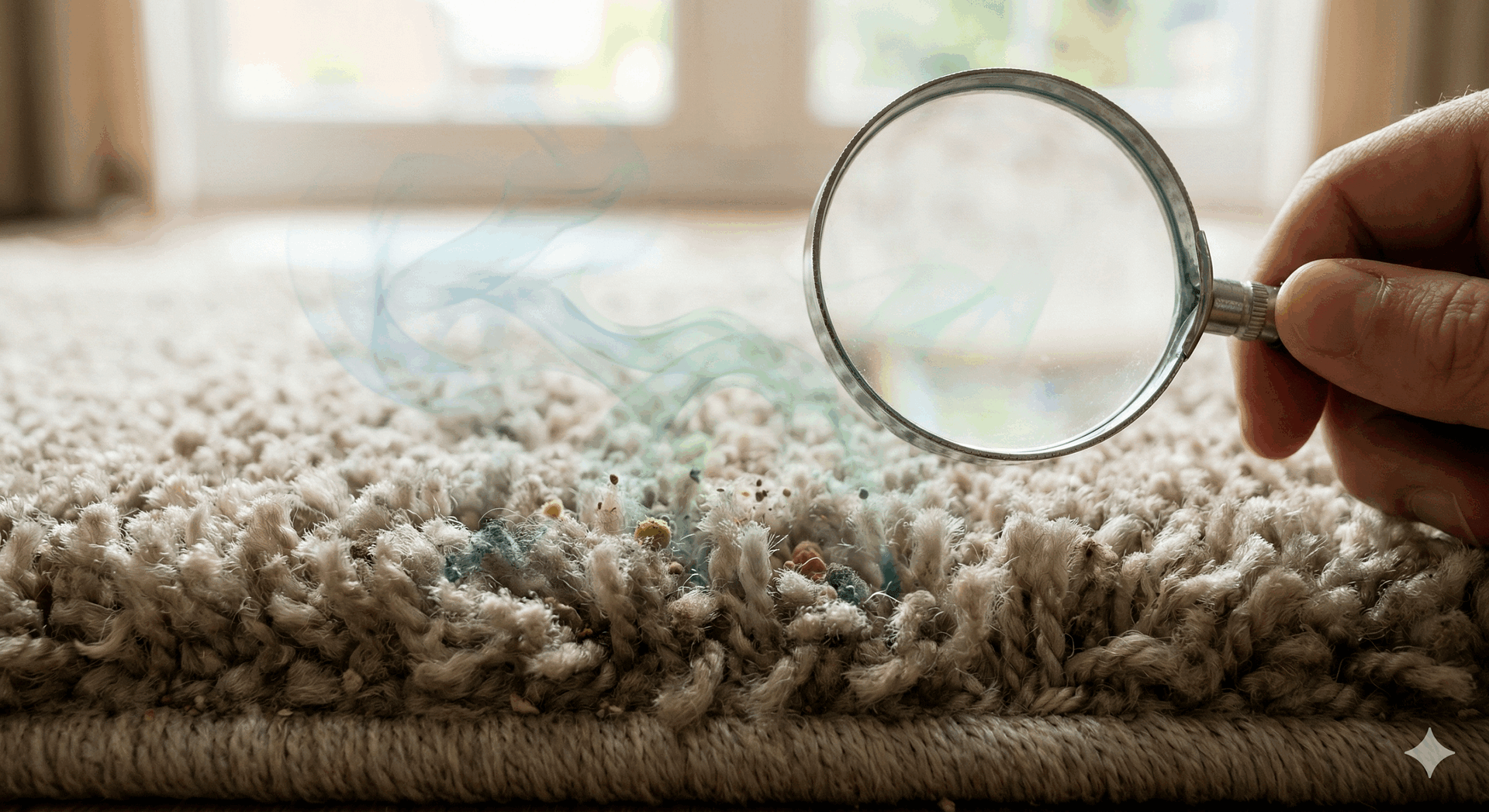
To understand why carpets trap odours and allergens, it helps to look closely at how carpets are constructed. Carpet fibres—whether natural, synthetic, or blended—are designed to be durable and flexible. These fibres form a dense network that can easily capture airborne particles, liquids, and microscopic debris.
Dust, pollen, pet dander, and skin flakes settle deep into carpet piles, often beyond the reach of standard vacuuming. Over time, these particles break down and create a breeding ground for bacteria and fungi, which are major contributors to persistent smells. This is one reason many households wonder why carpets smell bad even when they appear visually clean.
For a deeper explanation of how carpets interact with indoor environments, you may find it useful to read this article on how carpets affect indoor air quality.
The Link Between Carpet Allergens and Indoor Air Quality
Carpet allergens and indoor air quality are closely linked. Carpets act like large filters, trapping allergens that would otherwise remain airborne. While this can temporarily reduce particles in the air, it also means that carpets become reservoirs of allergens if not cleaned properly.
Everyday activities such as walking, vacuuming, or sitting on the floor can disturb these trapped particles, releasing them back into the air. This cycle can worsen symptoms for people with asthma, hay fever, or other respiratory sensitivities. Research consistently shows that poorly maintained carpets can negatively affect indoor air quality, particularly in enclosed or poorly ventilated spaces.

Additional insight into health-related concerns can be found in this resource discussing the health risks of dirty carpets.
Why Carpets Smell Bad Over Time
One of the most common questions homeowners ask is why carpets smell bad even after routine cleaning. Odours typically originate from a combination of organic matter, moisture, and microbial activity within the carpet fibres and underlay.
Spills, pet accidents, and high humidity can introduce moisture deep into carpets. If this moisture is not fully removed, it creates an ideal environment for bacteria and mould. These microorganisms produce gases as they break down organic material, leading to unpleasant and often stubborn odours.
Even new carpets can emit smells due to manufacturing chemicals and volatile organic compounds (VOCs). For more on this topic, see this guide on how to get rid of new carpet smell quickly.
Carpet Dust Mites and Allergies Explained
Carpet dust mites and allergies are another major concern, especially for families with young children or allergy sufferers. Dust mites are microscopic organisms that thrive in warm, humid environments and feed on shed human skin cells commonly found in carpets.
While dust mites themselves are not harmful, their waste products are potent allergens. Exposure can trigger sneezing, itchy eyes, skin irritation, and asthma symptoms. Carpets provide an ideal habitat because they offer shelter, food, and stable temperatures.
Learning how to manage dust mites is an important step in improving indoor comfort. Related information is available in this article on carpet bacteria and viruses.
Common Sources of Odours and Allergens in Carpets
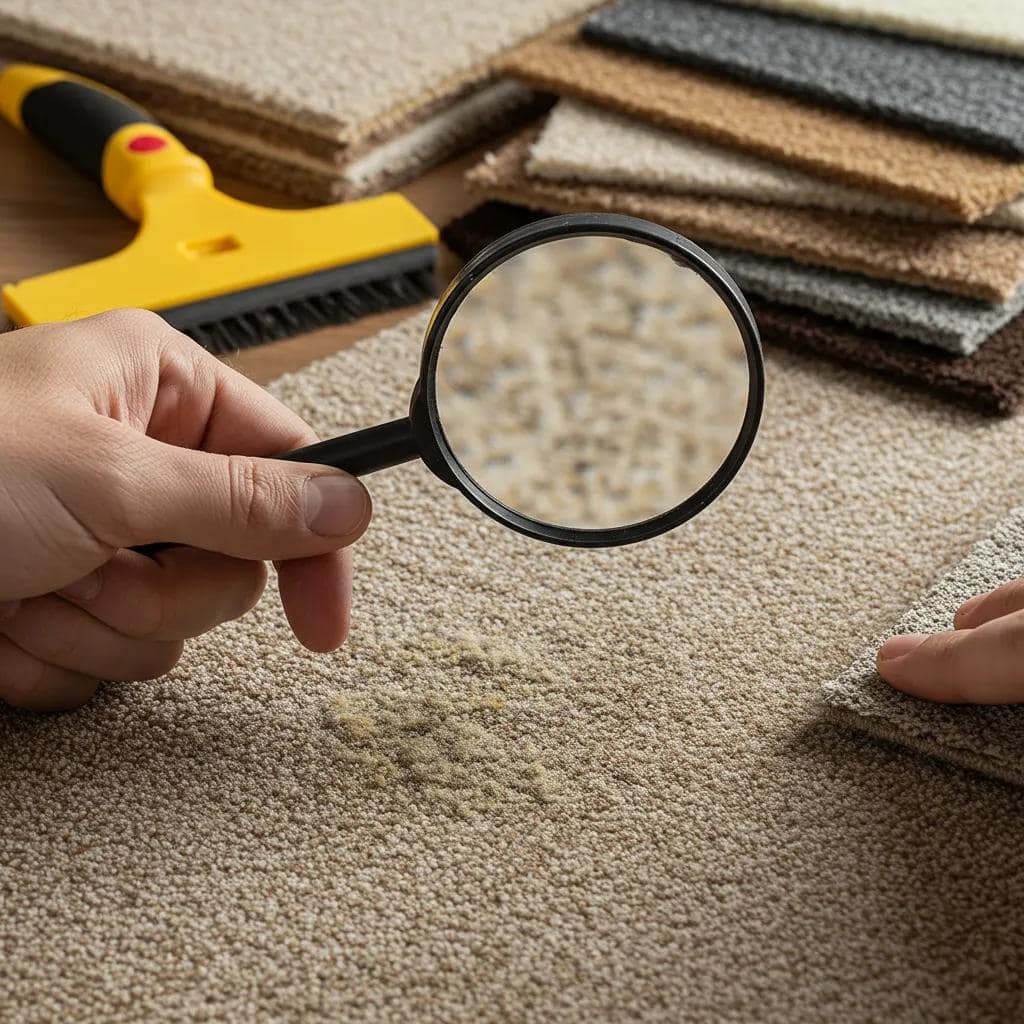
Several everyday factors contribute to the accumulation of odours and allergens in carpets:
- ✔Pet hair, dander, and accidents
- ✔Food and beverage spills
- ✔Outdoor pollutants tracked indoors
- ✔High humidity and poor ventilation
- ✔Infrequent deep cleaning
Each of these factors contributes incrementally, which is why odour and allergy issues often develop gradually rather than suddenly.
How to Remove Odours and Allergens from Carpets Effectively
Understanding how to remove odours and allergens from carpets requires a combination of routine care and periodic deep cleaning. Regular vacuuming with a high-efficiency particulate air (HEPA) filter helps reduce surface debris and allergens before they settle deeper into the carpet.
However, vacuuming alone cannot address embedded contaminants. Deep cleaning methods, such as steam cleaning, are designed to penetrate carpet fibres and loosen trapped particles. When done correctly, these methods can significantly reduce allergen loads and neutralise odour-causing bacteria.
For a detailed comparison of cleaning approaches, this article on whether it is better to shampoo or steam clean a carpet provides helpful insights.

Preventive Measures for Healthier Carpets
Prevention plays a key role in minimising carpet-related odours and allergens. Simple habits can make a noticeable difference in long-term carpet hygiene and indoor air quality.
- ✔Remove shoes before entering carpeted areas
- ✔Address spills and accidents immediately
- ✔Maintain proper indoor ventilation
- ✔Use doormats to reduce tracked-in dirt
- ✔Schedule periodic deep cleaning
These steps not only help carpets stay fresher but also support a healthier living environment overall.
When to Consider Deeper Carpet Care
Even with consistent maintenance, there are times when deeper carpet care becomes necessary. Persistent odours, visible staining, or worsening allergy symptoms may indicate that allergens and bacteria have accumulated beyond what routine cleaning can manage.
Understanding the right timing and methods can help prevent long-term damage and maintain comfort. This resource on the most effective method of carpet cleaning explores factors to consider when evaluating cleaning options.
Conclusion: Creating a Fresher, Healthier Indoor Space
Carpets offer many benefits, but it is clear why carpets trap odours and allergens when their structure and daily use are considered. From carpet dust mites and allergies to broader issues of carpet allergens and indoor air quality, awareness is the first step toward improvement.
By understanding why carpets smell bad and learning how to remove odours and allergens from carpets effectively, households can make informed decisions that support cleaner air and greater comfort. With the right balance of prevention, routine care, and periodic deep cleaning, carpets can remain both inviting and hygienic for years to come.