
How to Deal With Moth Infestations in Carpeted Bedrooms
Moth infestations in carpeted bedrooms are a surprisingly common issue in Australian homes, particularly in properties with wool or blended carpets. While adult moths are mostly harmless, their larvae can cause significant damage by feeding on natural fibres hidden deep within carpet piles. Understanding how carpet moth infestation starts, how to recognise early warning signs, and what practical steps can be taken to manage the problem is essential for protecting indoor comfort and flooring investment.
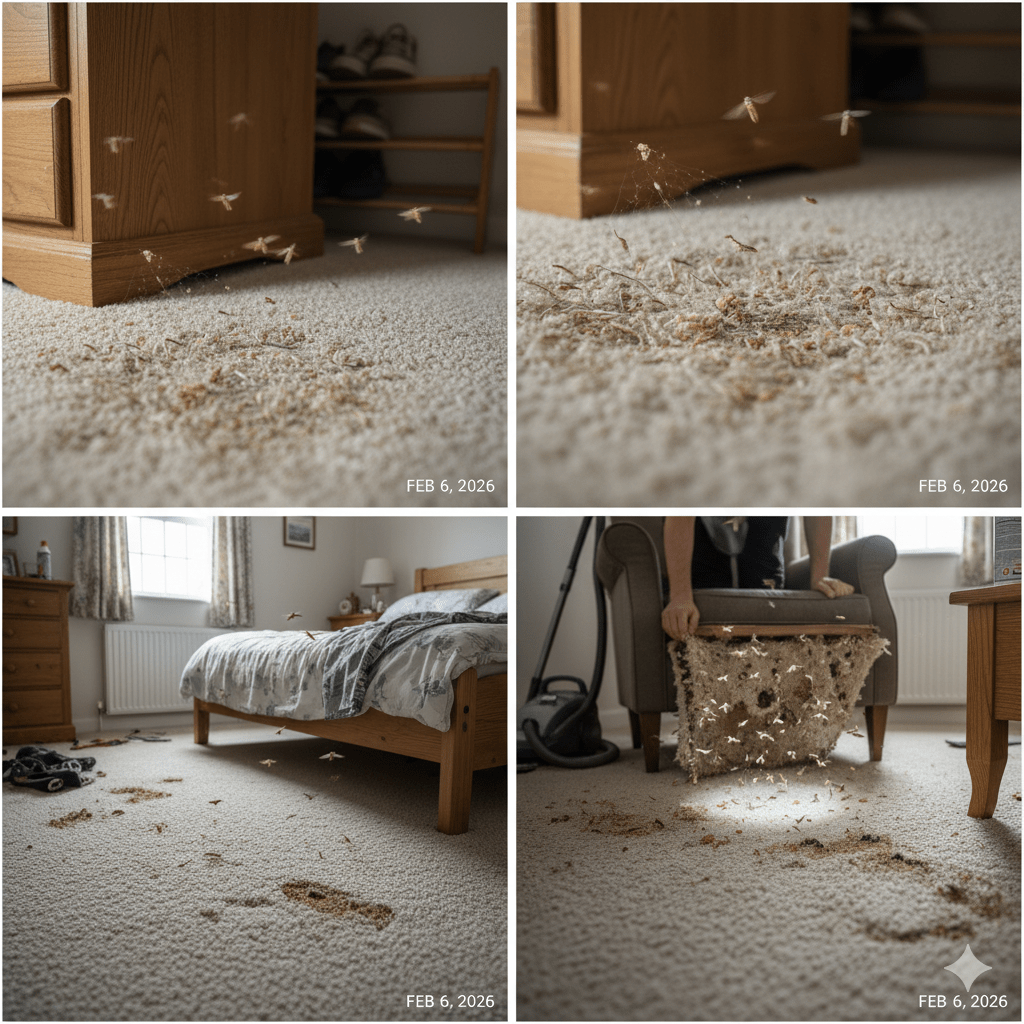
Understanding Moth Infestations in Carpeted Bedrooms
Moth infestations in carpeted bedrooms typically involve species such as clothes moths rather than pantry moths. These insects are drawn to dark, undisturbed areas where natural fibres are present. Bedrooms with heavy furniture, low foot traffic, or thick carpets provide ideal conditions for egg laying. Once eggs hatch, moth larvae in carpet begin feeding on fibres, skin flakes, and organic debris trapped in the pile.
Unlike other pests, moths often remain unnoticed until damage becomes visible. This is why regular inspection and informed maintenance play a critical role. Carpets made from wool, silk, or blends are particularly vulnerable, while synthetic carpets are less attractive but not immune if debris is present.
Common Signs of Carpet Moths
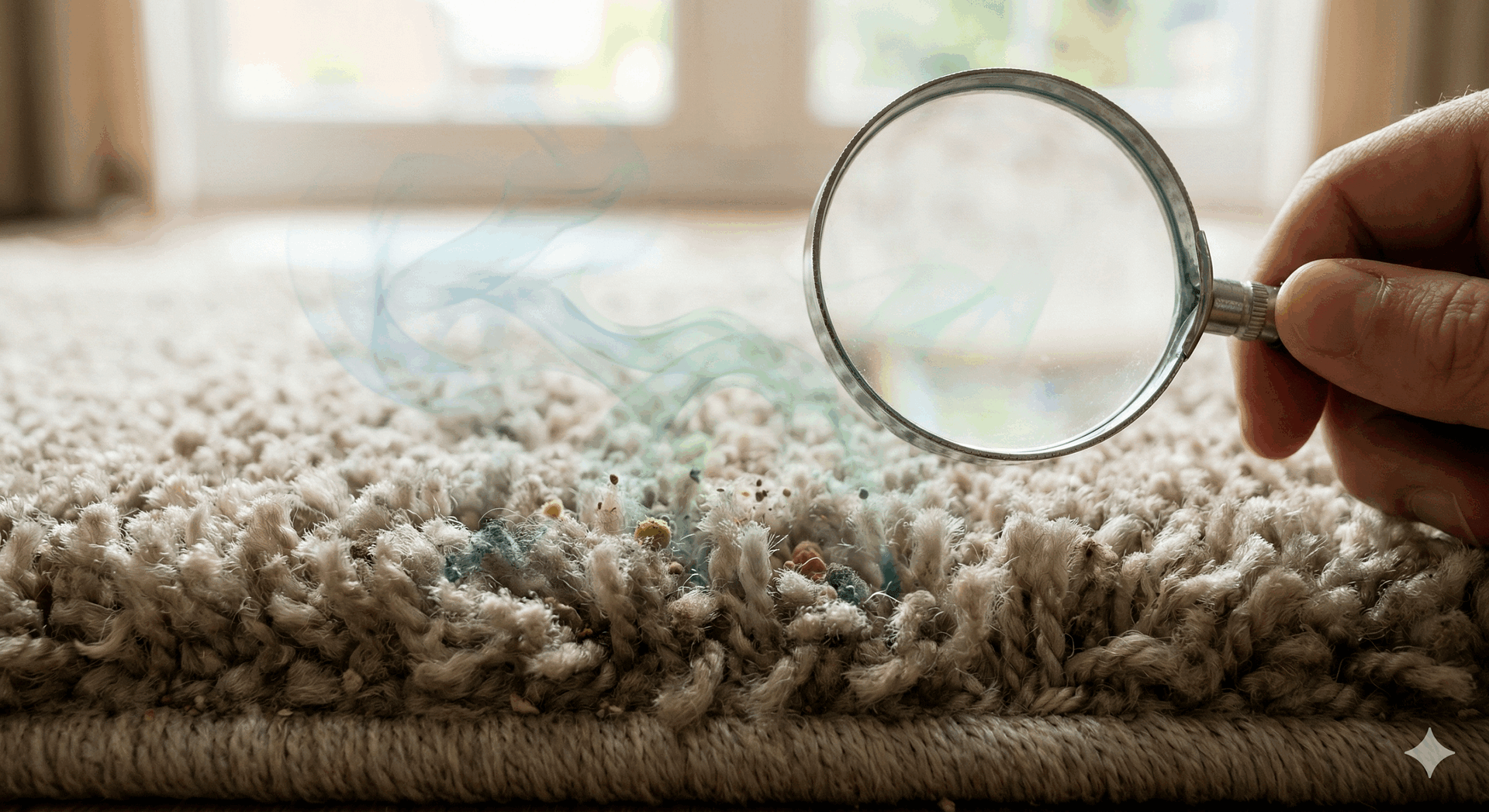
Recognising the early signs of carpet moths can prevent extensive damage. Homeowners often mistake the issue for normal wear until closer inspection reveals irregular patterns.
- Small bald patches or thinning areas in carpet fibres
- Presence of moth larvae in carpet, often cream-coloured and thread-like
- Fine sand-like particles, which are larval droppings
- Adult moths emerging when carpets or furniture are disturbed
- Damage concentrated under beds, wardrobes, or along skirting boards
If you are unsure whether damage is caused by moths or general wear, articles such as why old rental carpets look dirty after cleaning can help clarify the difference.
Why Bedrooms Are High-Risk Areas
Bedrooms create a perfect environment for carpet moth infestation because they often contain multiple food sources. Human skin cells, pet hair, and fabric lint settle into carpets over time. When combined with low light and minimal disturbance under furniture, these areas become breeding zones.
Seasonal factors also contribute. During cooler months, windows remain closed, reducing airflow. This creates stable temperatures that favour larvae survival. Guidance on seasonal maintenance can be found in resources like winter steam cleaning in Melbourne.
Inspecting Carpets for Moth Activity
A thorough inspection is the first practical step. Focus on areas where carpets meet walls, under beds, and inside wardrobes. Use a torch to look deep into the pile. If moths in bedroom carpet are suspected, gently pull fibres apart to check for larvae or eggs attached near the base.
Rugs placed over wall-to-wall carpets should also be lifted and examined. Persian and wool rugs require extra attention, as explained in Persian rug cleaning guidelines.
Effective Cleaning Strategies for Infested Carpets
Regular vacuuming remains one of the most effective ways to disrupt the moth life cycle. Vacuum slowly, using a beater bar where appropriate, and pay close attention to edges and corners. Immediately dispose of vacuum contents in a sealed bag.
Deep cleaning methods such as steam cleaning can significantly reduce larvae and eggs when performed correctly. Understanding how long professional processes take, as discussed in how long carpet cleaning takes, helps with planning and preparation.
For delicate or wool carpets, selecting the correct method is essential. Comparative insights are available in shampoo versus steam carpet cleaning.
The Role of Steam Cleaning in Moth Control
Steam cleaning uses high temperatures to penetrate carpet fibres, targeting moth larvae in carpet that vacuuming alone may miss. Heat effectively disrupts the breeding cycle without relying on harsh chemicals. Safety considerations are outlined in is steam cleaning safe.
It is important to note that while steam cleaning is effective, it should be combined with preventive measures to avoid reinfestation. Articles like where dirt goes during steam cleaning provide helpful background information.
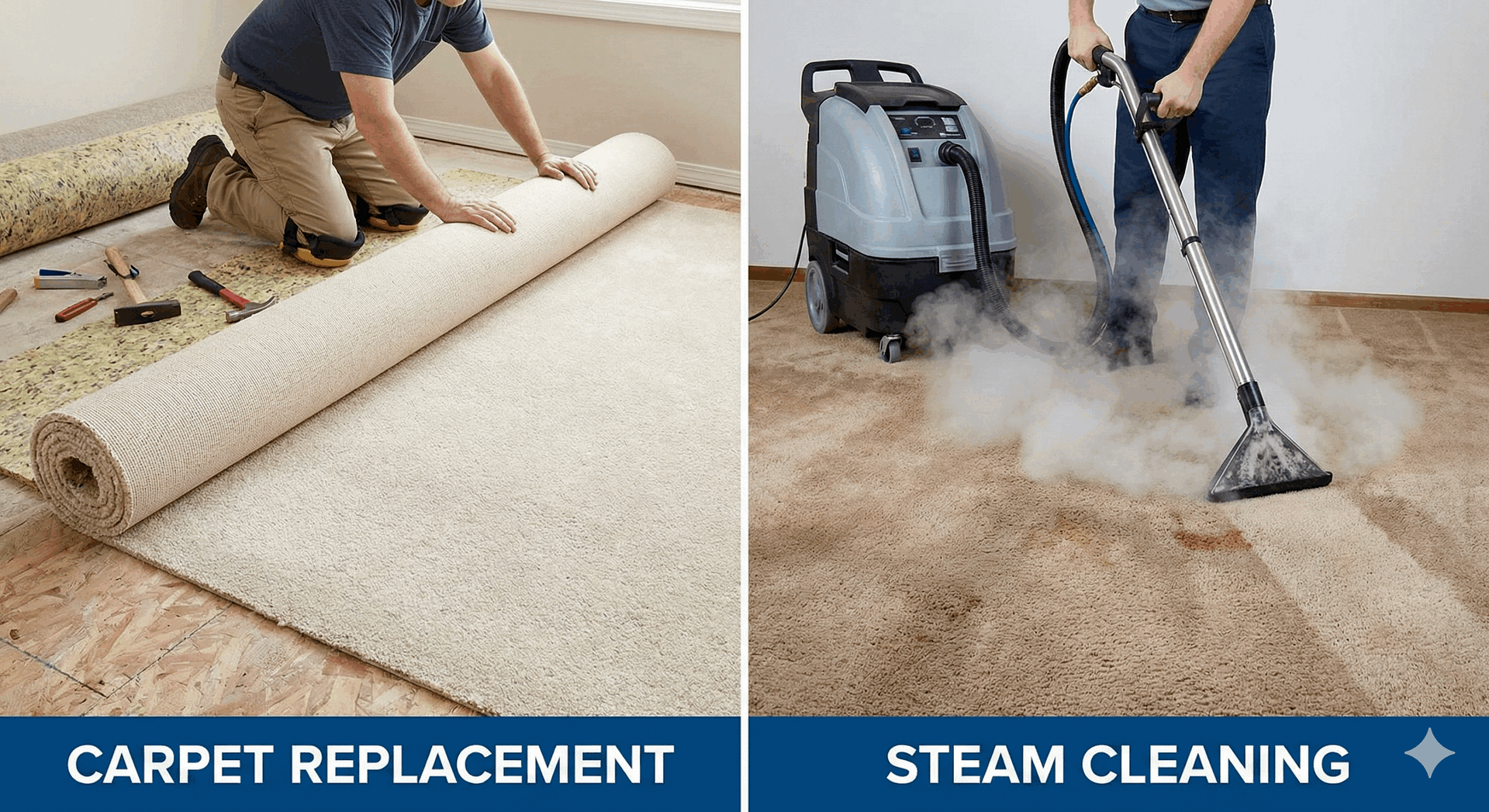
Carpet Repair or Replacement Considerations
In severe cases, damage from carpet moth infestation may be extensive. Localised damage can sometimes be repaired, while widespread thinning may require replacement. Making an informed decision is easier after reviewing carpet replacement versus steam cleaning.
Replacing carpets without addressing the underlying infestation can lead to recurring problems. Thorough treatment of subfloors and surrounding areas is essential before new carpet installation.
Preventing Future Moth Infestations
Prevention focuses on reducing favourable conditions. Regular vacuuming, adequate ventilation, and periodic deep cleaning are key. Rotating furniture and rugs helps expose hidden areas to light and airflow.
Storing spare carpets or rugs correctly also matters. Clean items before storage and use breathable covers. Additional tips can be found in trusted carpet care advice.
Frequently Asked Questions
Can moths live in synthetic carpets?
While moths prefer natural fibres, synthetic carpets can still host infestations if organic debris is present.
Are moth infestations harmful to health?
They are not directly harmful but damaged carpets can trap allergens. Learn more in health risks of dirty carpets.
How long does it take to eliminate carpet moths?
This depends on severity. Consistent cleaning over several weeks is often required.
Do mothballs work in carpeted bedrooms?
They may repel adults but are not effective against larvae embedded in carpet fibres.
When should professional help be considered?
If damage continues despite regular cleaning, professional assessment may be needed.
Final Thoughts
Dealing with moth infestations in carpeted bedrooms requires a combination of awareness, regular maintenance, and informed decision-making. By recognising early signs of carpet moths and applying appropriate cleaning strategies, homeowners can protect their carpets and maintain healthier living spaces. Staying informed through reliable resources and ongoing care ensures long-term protection against moth damage.