How to Remove Sweat, Urine and Yellow Stains From Mattresses
Mattress stains are one of the most common hygiene concerns in modern homes. Over time, sweat, urine, body oils, and spills can cause visible discoloration, unpleasant odours, and even bacterial growth. Learning how to clean mattress stains correctly helps maintain a healthier sleeping environment and extends the life of your mattress. This guide explains practical, evidence-based methods to remove sweat yellow stains from mattress surfaces safely and effectively.

Why Mattresses Develop Yellow Stains
Yellow stains on mattresses are usually the result of moisture interacting with proteins and minerals in sweat or urine. As these fluids dry, they oxidise and bond to mattress fibres, leading to stubborn discoloration. Nightly perspiration, especially in warm climates or humid conditions, gradually accumulates even when bedding appears clean.
Urine stains, whether from children, pets, or medical conditions, introduce ammonia and uric acid. These compounds not only stain but also create odours that can worsen over time if not treated correctly. Understanding the source of the stain is the first step in choosing the most effective cleaning method.

Health and Hygiene Risks of Untreated Mattress Stains
Ignoring mattress stains is not just a cosmetic issue. Moist environments encourage dust mites, bacteria, and mould spores, all of which can trigger allergies, asthma, and skin irritation. Sweat and urine residues can also cause persistent odours that affect sleep quality.
Routine mattress maintenance supports better indoor air quality and personal hygiene. For households managing allergies or respiratory conditions, keeping mattresses clean is especially important.

How to Clean Mattress Stains Safely at Home
Before applying any solution, always vacuum the mattress surface to remove dust, skin flakes, and loose debris. This prevents dirt from spreading deeper into the fabric during cleaning.
Removing Sweat and Yellow Stains
To remove sweat yellow stains from mattress materials, a gentle oxidising approach works best. A mixture of baking soda and hydrogen peroxide is widely recommended by cleaning professionals. Baking soda absorbs moisture and odours, while hydrogen peroxide breaks down organic compounds responsible for yellowing.
- ✔Mix hydrogen peroxide with baking soda and a small amount of mild liquid detergent
- ✔Apply lightly using a spray bottle
- ✔Allow to dry completely before vacuuming residue
Treating Urine Stains and Odours
Urine stains require both stain removal and odour neutralisation. Enzyme-based cleaners are particularly effective because they digest uric acid crystals rather than masking the smell. For fresh stains, blot immediately with a clean cloth before applying the cleaner.

Common Mistakes to Avoid When Cleaning Mattresses
One of the most common mistakes is oversaturating the mattress. Excess moisture can seep into inner layers, creating conditions for mould growth. Another issue is using harsh chemicals such as bleach, which may damage fibres and worsen yellow discoloration over time.
Always allow adequate drying time and ensure proper ventilation. Fans or open windows can significantly reduce drying time and prevent lingering moisture.
Preventing Future Mattress Stains
Prevention is one of the most effective strategies for maintaining mattress hygiene. Waterproof mattress protectors create a barrier against sweat, spills, and accidents without affecting comfort. Washing bedding weekly and allowing mattresses to air periodically also reduces moisture buildup.
Rotating the mattress every few months ensures even wear and helps prevent concentrated staining in one area.
When Deeper Cleaning Is Required
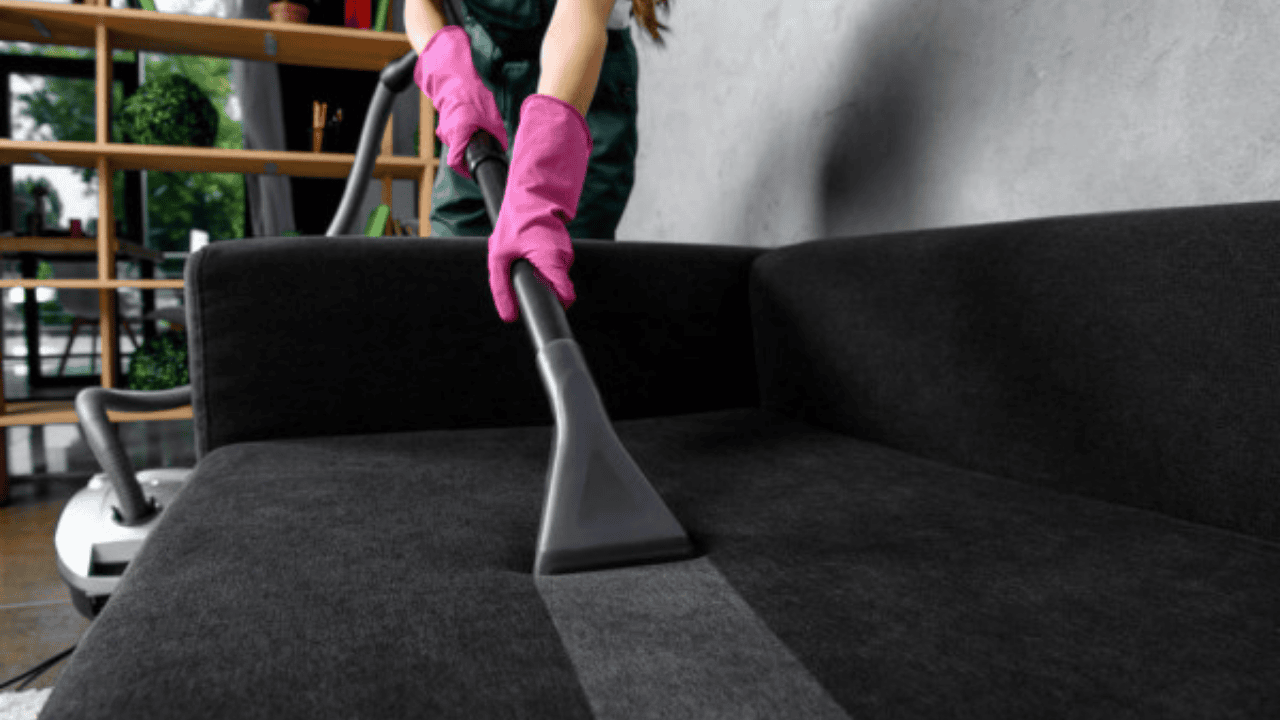
Some stains penetrate beyond the surface fabric into padding layers. In these cases, household cleaning may not fully resolve discolouration or odours. Steam cleaning and hot water extraction methods are often recommended in professional mattress hygiene guidelines due to their ability to sanitise and lift embedded residues.
For readers interested in understanding cleaning standards and service documentation, you may find this related article useful:
Carpet Cleaning Receipt Mandatory – What Consumers Should Know.

Understanding Mattress Materials and Cleaning Compatibility
Not all mattresses respond the same way to cleaning. Memory foam, latex, and hybrid mattresses each have unique moisture tolerance levels. Always check manufacturer guidelines before applying liquid-based solutions. Spot testing in an inconspicuous area helps prevent unintended damage.

FAQs
Are Mattress Steam Cleaning Services Worth It?
Yes. Professional steam cleaning reaches deep into mattress layers to remove bacteria, allergens, sweat residues, and odours that surface cleaning cannot. It also sanitises using heat, reducing dust mites without harsh chemicals.
How Often Should You Clean Your Mattress?
A mattress should be professionally cleaned every 6–12 months. Homes with allergies, pets, children, or heavy perspiration may benefit from more frequent cleaning to maintain hygiene.
The Best Way to Protect Your Mattress From Stains Long-Term?
Using a high-quality mattress protector, regular vacuuming, and prompt treatment of spills are the most effective long-term strategies. Consistent care prevents stains from penetrating deeper layers.
Do Waterproof Mattress Protectors Really Work?
Yes. Waterproof mattress protectors create a reliable barrier against sweat, spills, and accidents while remaining breathable. They significantly reduce staining and extend mattress lifespan when used correctly.
Additional Resources and Support
If you would like to explore professional cleaning options, service information and general enquiries can be found on the website’s
services page
or by visiting the
contact us page.
These pages provide further guidance on cleaning processes, service scope, and general care recommendations.
Conclusion
Knowing how to remove yellow mattress stains and manage sweat or urine residue is essential for maintaining a clean and healthy sleeping environment. By using safe cleaning techniques, avoiding common mistakes, and adopting preventative measures, mattresses can remain fresh, hygienic, and comfortable for years. Regular care not only improves sleep quality but also supports overall household wellbeing.