Best Carpet Cleaner Near Me Melbourne – Your Trusted Professionals
Pure Steam, Pristine Clean
Melbourne’s Trusted Experts In Carpets, Upholstery & Mattress Steam Cleaning
100% Money Back Guaranteed
How to Choose the Best Carpet Cleaner Near Me
Your Complete Guide to Professional, Local, and Eco-Friendly Carpet Cleaning

Choosing the best carpet cleaner nearby starts with understanding the outcomes you need: thorough soil and allergen removal, minimal downtime, and long-term fibre protection. This guide explains how professional carpet cleaning services deliver those outcomes, comparing methods such as carpet steam cleaning Melbourne providers use, low-moisture and encapsulation systems, and the equipment that affects drying and results.
Many homeowners and tenants worry about hidden fees, chemical residues, and whether a cleaner can meet end-of-lease standards or remove stubborn pet stains; this article solves those concerns with clear decision criteria, pricing expectations for Melbourne, eco-friendly checks, and vetting questions. You will get practical checklists, comparison tables of methods and pricing models, and step-by-step questions to ask a local company before booking.
Throughout the guide we’ll reference local examples and transparent practices so you can confidently select a professional carpet cleaning service nearby that balances performance, safety, and value.
What Are the Key Factors to Consider When Selecting a Carpet Cleaning Company?
Selecting a carpet cleaning company begins with five core factors: verified training or certification, the cleaning method and equipment used, product safety, local reputation, and clear pricing and guarantees. Each factor directly affects the outcome — certifications reduce the risk of fibre damage, powerful equipment improves soil extraction, and benign products reduce indoor air quality impact.
Understanding these elements lets you match provider strengths to your priorities, such as fast drying for busy households or deep sanitisation for allergy sufferers. The next paragraphs break these factors into actionable checks you can use when comparing local providers.
Certifications and trained technicians matter because they signal that staff understand fibre-specific care and proper stain treatments. Certified technicians apply the correct pre-treatment and extraction temperatures to avoid shrinkage or colour loss while targeting allergens and bacteria, which improves both appearance and health outcomes. Verifiable credentials are important: ask for credential details and retainers that show technician training, then use those details as part of your vetting checklist. This leads naturally into comparing the actual cleaning methods and equipment companies use.
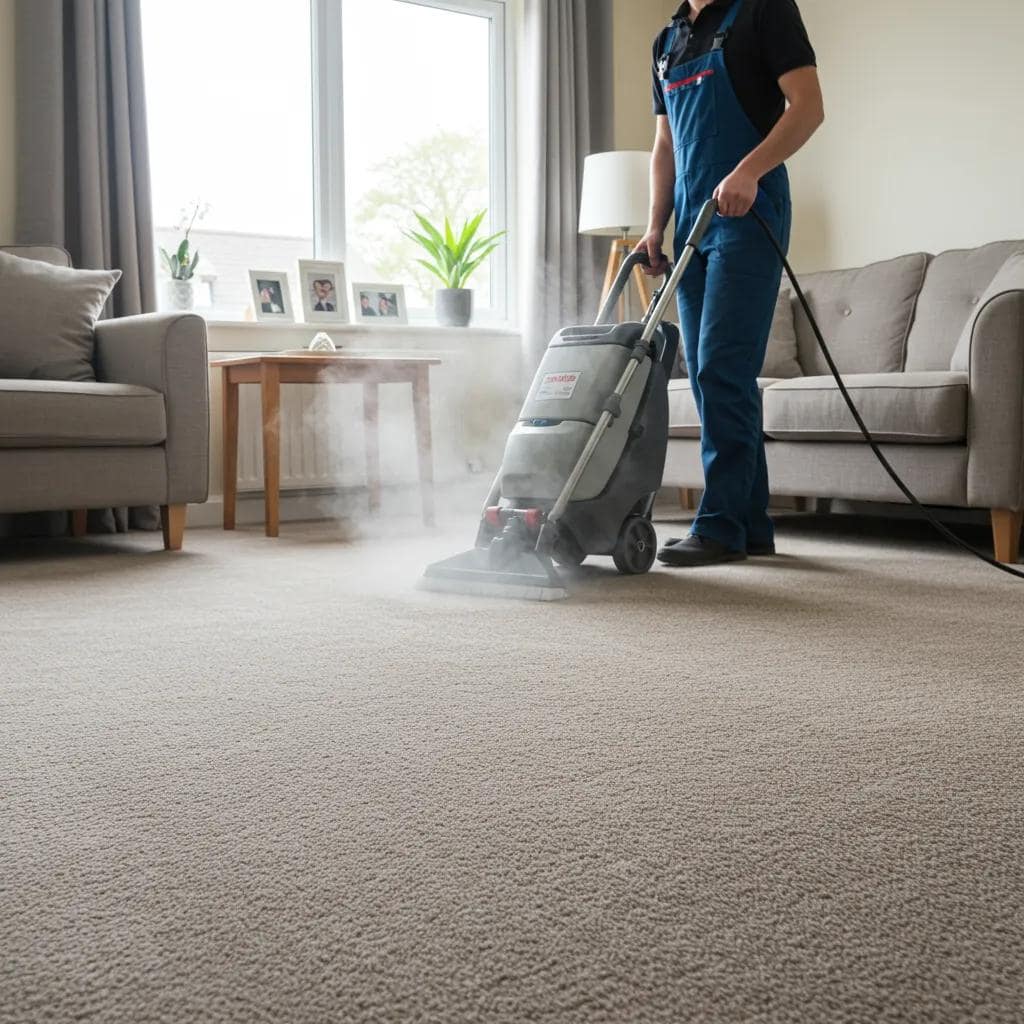
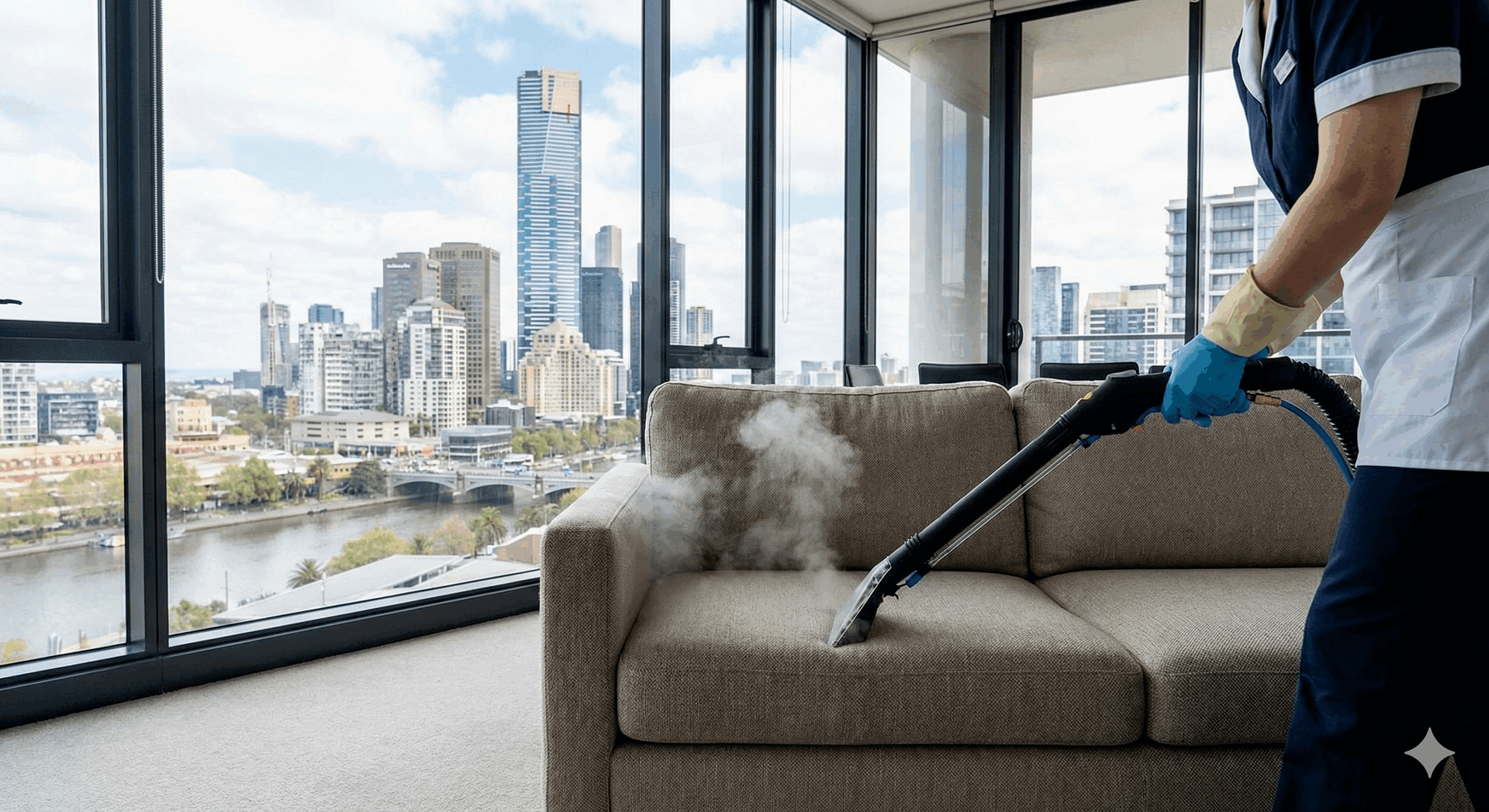
Different cleaning methods and equipment deliver distinct results depending on carpet type and contamination level; choose methods that match your needs for stain removal, drying time, and sanitisation. High-powered truck-mounted units and professional portable steam extractors use hot water extraction (steam cleaning) for deep cleaning, while low-moisture and encapsulation are suited to rapid turnaround situations. Knowing the pros and cons of each method helps prioritise what matters most for your home or tenancy condition.
When evaluating vendors, check for transparent guarantees and proof of insurance to reduce risk and ensure accountability. A written satisfaction or money-back guarantee and liability insurance protect you if damage or inadequate results occur. Request these policies in writing during your quote process and treat them as a deciding factor alongside references and local reviews. After confirming guarantees and coverage, you can compare real pricing models and discounts to find a provider that balances cost and quality.
Essential Selection Checklist
Verify technician training or IICRC-equivalent certification and ask for verifiable credentials.
Confirm the cleaning method and equipment (truck-mounted vs portable) and why it suits your carpet.
Request product safety details and whether solutions are non-toxic, low-VOC, or pet-safe.
Ask for written pricing, itemised inclusions, and any discounts or tenant rates.
Check for a clear satisfaction or money-back guarantee and proof of liability insurance.
Read recent local reviews and request before-and-after photos for similar jobs.
Confirm expected drying times and any post-clean protection options.
Make sure the company handles end-of-lease requirements if you’re a tenant.
After evaluating these selection criteria, it’s helpful to see an example of the kinds of guarantees and equipment that indicate trustworthy service providers in Melbourne.
Rezel Cleaning Services provides a practical example of trust signals to look for: they advertise a 100 percent money-back guarantee, insured technicians, and professional-grade steam cleaning equipment. These features illustrate the types of guarantees and heavy-duty extraction units that typically produce reliable, deep-clean results in residential settings.
Why Are Certifications and Professional Training Important for Carpet Cleaners?
Certifications and training demonstrate that technicians understand fibre types, correct cleaning chemistries, and safe extraction parameters. Trained technicians reduce the risk of damage because they match pre-treatment strength and water temperature to fibre sensitivity and stain chemistry, which improves stain removal while preserving pile integrity.
Verifiable training also indicates familiarity with advanced equipment — for example, truck-mounted hot water extraction systems and professional portable extractors — and how to use them for maximum soil and allergen removal. When vetting suppliers, request the certification names or technician ID numbers and ask how training influences the approach to delicate fibres and tough stains.
A trained technician will explain why a chosen method is best for your situation and outline any risks or aftercare, which leads naturally to understanding methods and their trade-offs when deciding which approach suits your home.
How Do Different Carpet Cleaning Methods Compare: Steam, Dry, and Encapsulation?

Different carpet cleaning methods vary in moisture, drying time, and best use case; choose the method that balances deep cleaning, drying speed, and fibre safety. Hot water extraction (steam cleaning) uses heated water and extraction to remove deep soil and allergens but typically involves longer drying times. Dry cleaning and encapsulation use low-moisture chemistry for fast return-to-use and are suited to commercial settings or quick turnarounds. Understanding these differences helps match the method to your priorities: deep sanitisation, rapid access, or minimal residue.
Below is a quick comparison table to help you decide which method fits your needs.
| Method | Moisture Level | Typical Drying Time | Best For |
|---|---|---|---|
| Hot water extraction (steam) | High | 4–12 hours | Deep stain and allergen removal, sanitisation |
| Low-moisture dry cleaning | Low | 1–3 hours | Fast turnaround, light soil, commercial spaces |
| Encapsulation cleaning | Low | 1–4 hours | Regular maintenance, quick drying, light to moderate soiling |
This comparison highlights that steam cleaning provides the deepest clean while dry methods prioritise speed; choose a method based on whether deep sanitisation or rapid reuse is most important. The next section explains how pricing typically reflects these method and equipment choices.
How Much Does Carpet Cleaning Cost in Melbourne and What Should You Expect?
Cost depends on the pricing unit (per room, per square metre, or flat rate), the cleaning method, any necessary stain or odour treatments, and optional extras like stain protection or fast-dry services. Transparent providers itemise pre-treatment, extraction, spot treatment, and final grooming so you can compare quotes accurately. Local market factors in Melbourne such as tenancy cleaning standards and discounted tenant rates influence the final price, and asking the right questions prevents surprise upcharges. The following subsections break down typical pricing structures and where to look for honest discounts.
Pricing models vary: per-room pricing often covers a standard-sized room and basic pre-treatment plus steam extraction, per-square-metre pricing is common for irregular spaces, while flat-rate packages bundle multiple rooms and extras. The table below summarises typical models and what each usually includes.
| Pricing Model | Typical Price Range | Unit of Measure | Typical Inclusions |
|---|---|---|---|
| Per-room | $30–$60 per room | per room (standard size) | Pre-treatment, steam, final groom |
| Per-square-metre | $5–$12 per m² | per m² | Tailored pricing for large or irregular areas |
| Package/flat rate | $90–$300+ | per package | Multiple rooms, add-ons like protection or deodorise |
This pricing overview shows why itemised quotes matter: method, room size, and add-ons create variation. The next subsection explains common discounts and transparency cues you should expect.
Many local providers offer discounts for tenants, bulk bookings, or regular maintenance plans, and transparent pricing cues include itemised written quotes and upfront explanations of extras. Common discount types include tenant discounts, multi-room packages, and seasonal promotions, while red flags include vague verbal quotes and surprise after-service fees. As an illustrative example of clear pricing in the Melbourne market, some local companies list a standard steam cleaning price of thirty dollars per room for rooms up to twelve square metres and offer a ten percent tenant discount when applicable. Use these transparent pricing models as benchmarks when evaluating quotes from other local providers.
Managing Floor and Carpet Cleaning in Hospitality
For hospitality, it is essential to attract customers through excellent service and optimum cleanliness. This research work aims to manage floor and carpet cleaning issues. The six sigma model is used as a way of increasing the operational efficiency of floor cleaning. The researcher decided to use positivist philosophy to draw out the ghost cause. PESTLE and SWOT analysis were chosen as the most suitable methods for external and internal analysis respectively. The primary focus is on qualitative data collection that was conducted with three cleaners, one laundry head, and one manager of the motel. The research outcome shows that the employees of the company are satisfied with the management. Also, there is no doubt that the organisation is giving proper importance to the cleaning operation. Besides that, there is a huge requirement for new technology implementation, like a modern vacuum cleaner and employee training. An implementation plan is summarises what will be helpful to eradicate current prevalent issues.
Managing floor and carpet cleaning in hospitality, 2018
The principles of maintaining high standards of cleanliness, particularly in commercial settings like hospitality, highlight the importance of efficient and effective cleaning strategies. This research underscores the need for modern technology and employee training to address prevalent issues and improve operational efficiency.
Market Analysis for Carpet Cleaning Services
The purpose of this article (as part of a larger study) is to develop and apply a methodology for analysing and assessing the competitive position of the Fantastic Services Australia (FSA) brand in the surveyed country (and the major regional domestic services markets – Melbourne and Sydney). Based on scientifically grounded analysis, theoretical ideas and exploration of FSA markets, the paper highlights some marketing prospects for the company and draws conclusions and guidelines for building an appropriate positioning strategy for the respective regions and types of services (end of lease cleaning, carpet cleaning and one-off cleaning). FSA is one of the largest market players, both in terms of scale and network of franchisees, and this coupled with the intensive rivalry it faces further elucidates the need for carefully calibrated brand positioning to maintain competitive edge.
Global Journal of Business, Economics and Management: Current Issues, V Zhechev, 2018
Understanding the competitive landscape and market positioning is crucial for service providers, especially in a dynamic market like Melbourne, where factors like brand strategy and service offerings significantly influence customer choice.
Why Is Eco-Friendly Carpet Cleaning Important and How Can You Identify It?

Eco-friendly carpet cleaning reduces exposure to harmful volatile organic compounds (VOCs), limits residue that accelerates re-soiling, and protects pets and children from toxic residues. Choosing biodegradable or low-VOC products supports better indoor air quality and reduces environmental impact from wastewater. Identifying genuine eco-friendly practice involves looking for ingredient transparency, third-party certifications, and explanations of residue and drying behaviour rather than marketing claims alone. The next paragraphs explain direct household benefits and how these methods influence carpet longevity and indoor air quality.
Using non-toxic, pet-safe cleaning solutions minimizes acute exposure risks and lowers the chance that residues will cause skin or respiratory irritation for vulnerable household members. These products are typically formulated to rinse clean with extraction and leave minimal surfactant residue, which reduces the likelihood of rapid re-soiling. When evaluating providers, ask for product ingredient lists or a description of active ingredients and re-entry times to confirm safety for children and pets. Understanding product traits helps choose a cleaner that balances cleaning performance with household safety.
| Product or Approach | Toxicity (low/high) | Pet-safe | Residue Notes |
|---|---|---|---|
| Biodegradable surfactants | Low | Yes | Minimal residue when rinsed properly |
| Low-VOC formulations | Low | Yes | Reduced off-gassing during drying |
| Enzyme-based cleaners | Low | Often | Targets organic stains without harsh solvents |
This table clarifies how specific product classes support safer homes and longer-lasting carpets. The next section gives practical questions to ask a provider to verify their eco-claims and credentials.
As a real-world example of eco-friendly positioning to look for, some Melbourne providers describe their solutions as eco-friendly, pet- and family-safe — an important supporting sign when paired with transparent ingredient information and professional extraction practices.
What Are the Benefits of Using Non-Toxic, Pet-Safe Cleaning Solutions?
Non-toxic, pet-safe cleaning solutions offer direct health benefits by removing allergens and odours without leaving harmful residues or strong chemical odours that can irritate sensitive occupants. These products generally allow safer re-entry times and reduce the risk of adverse reactions for children and animals, which is essential in family homes. By focusing on biodegradability and low VOCs, such cleaners lower the long-term indoor chemical burden and improve comfort after service. Ask providers how their products rinse and whether post-cleaning ventilation or low-VOC drying aids are used to maximise indoor air quality and safe re-entry.
How Do Eco-Friendly Methods Affect Carpet Longevity and Indoor Air Quality?
Residue-free cleaning reduces the buildup of soils and surfactants that attract dirt, which in turn slows re-soiling and extends the effective life of carpet fibres. Low-VOC products limit airborne irritants during and after cleaning, improving indoor air quality and reducing temporary odour issues. Regular use of appropriate eco-friendly methods, combined with professional extraction, maintains pile resilience and reduces the frequency of heavy deep-cleaning cycles. When evaluating providers, request guidance on recommended maintenance intervals and how their chosen products support long-term fabric health.
What Questions Should You Ask Before Hiring a Local Carpet Cleaner?
Before hiring, ask targeted questions that verify training, methods, safety, pricing transparency, and claims about drying and guarantees. Clear, specific questions reduce ambiguity and help you compare contenders on equal terms. The following subsection explains verification steps for experience and local reputation, while the next one focuses on guarantees and insurance to protect you as the customer.