Understanding Modern Carpet & Surface Cleaning Services
Carpet Cleaning Services play an essential role in maintaining healthy, comfortable, and visually appealing indoor environments. From residential homes to commercial properties, professionally maintained carpets, upholstery, tiles, and mattresses contribute to better indoor air quality and longer-lasting furnishings. This article provides an in-depth, informational overview of how modern cleaning methods work, what consumers should understand before booking, and how different services address specific cleaning needs.
How Professional Carpet Cleaning Services Work
Professional Carpet Cleaning Services typically combine advanced equipment, heat, and controlled moisture to lift dirt, allergens, and residues from deep within carpet fibres. Unlike surface vacuuming, professional processes are designed to reach embedded debris that accumulates over time. According to cleaning industry studies, carpets can trap dust, bacteria, and allergens that regular household cleaning cannot fully remove.
Techniques such as steam cleaning (hot water extraction) remain widely used due to their effectiveness and fabric safety when performed correctly. If you’re curious about how long professional treatments usually take, this guide on carpet cleaning duration explains what factors influence timeframes, including carpet size, soil level, and drying conditions.

Many people searching online for “carpet cleaners near me” are primarily looking for convenience and local availability. However, understanding the cleaning method, safety standards, and aftercare advice is equally important. Detailed insights into common mistakes can be found in this article on carpet cleaning errors to avoid.
Upholstery Cleaning Services Explained
Upholstery cleaning services focus on fabric sofas, chairs, and lounges that accumulate oils, dust, food particles, and pet dander. Unlike carpets, upholstery fabrics vary significantly in weave, colourfastness, and moisture tolerance, requiring tailored cleaning approaches.
Professional upholstery cleaning commonly uses low-moisture steam or specialised shampoo methods designed to protect delicate fibres. Consumers interested in understanding the difference between DIY and professional care may find this resource useful: DIY vs professional couch cleaning insights.

Tile and Grout Cleaning: Why It Requires Special Care
Tile and grout cleaning is often underestimated. While tiles may appear clean on the surface, grout lines are porous and absorb moisture, oils, and contaminants over time. Standard mopping can actually push dirt deeper into grout, leading to discolouration.
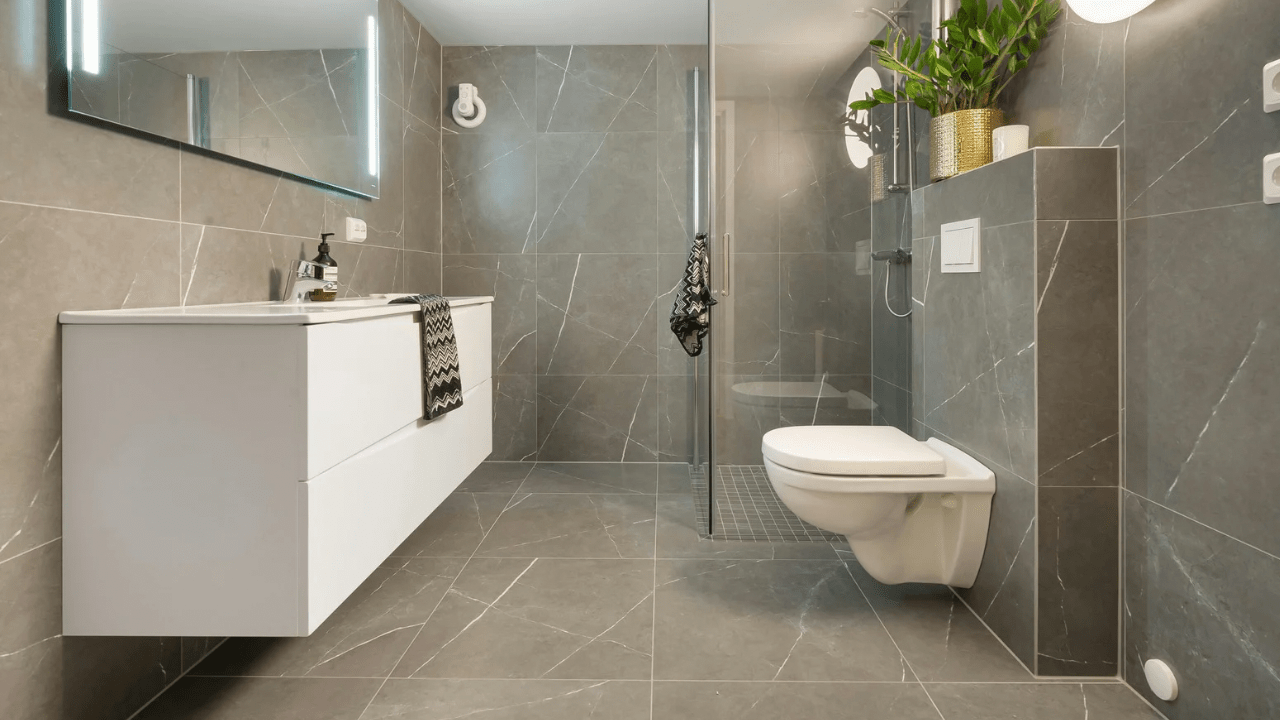
Professional tile and grout cleaning typically uses high-pressure steam combined with controlled extraction to remove embedded buildup. This method restores appearance while reducing bacteria commonly found in damp areas such as kitchens and bathrooms. Additional information about expert tile care is available in this article on professional carpet and tile cleaning.
The Importance of Pro Mattress Steam Cleaning
Mattresses can harbour dust mites, sweat residue, and allergens that affect sleep quality and respiratory health. Pro Mattress steam cleaning uses high-temperature steam to sanitise mattress surfaces while extracting moisture and debris.
Research shows that steam cleaning can significantly reduce allergen levels when performed correctly. If you’re wondering whether steam cleaning is safe for mattresses, this detailed explanation covers the topic: can mattresses be steam cleaned safely?
Mattress care is particularly important in households with children, pets, or allergy-sensitive occupants. More insights can be found in this guide on professional mattress cleaning services.

Health, Hygiene, and Indoor Air Quality
Clean carpets and soft furnishings contribute directly to healthier indoor air quality. Over time, dust, pollen, pet hair, and microscopic pollutants become trapped in fibres. Without periodic deep cleaning, these contaminants can be released back into the air through everyday movement.
Studies discussed in this indoor air quality article highlight how professional cleaning can help reduce airborne particles. Similarly, understanding the health risks of dirty carpets allows property owners to make informed maintenance decisions.
Choosing the Right Cleaning Schedule
How often carpets, upholstery, tiles, and mattresses should be professionally cleaned depends on usage, household size, pets, and environmental factors. High-traffic areas and rental properties often require more frequent care, especially during end-of-lease periods.
For renters, understanding landlord expectations can be helpful. This resource on landlord carpet cleaning requirements explains common standards. Seasonal considerations, such as winter drying times, are also discussed in best times for steam cleaning.
FAQs
What is the difference between steam cleaning and dry carpet cleaning?
Steam cleaning (also called hot water extraction) uses heated water combined with cleaning agents to break down dirt, oils, and allergens deep within carpet fibres, followed by powerful extraction. It is widely regarded as the most thorough method for deep cleaning carpets in Melbourne homes.
Dry carpet cleaning uses minimal moisture and relies on absorbent compounds or encapsulation solutions that trap surface-level dirt, which is then vacuumed away. While dry cleaning offers faster drying times, it generally does not remove embedded contaminants as effectively as steam cleaning. For high-traffic areas, pets, or allergy concerns, steam cleaning is usually more effective.
How long does it take for carpets to dry after steam cleaning?
In Melbourne conditions, carpets typically take 4 to 8 hours to dry after steam cleaning. Drying time depends on several factors, including:
• Carpet thickness and fibre type
• Indoor ventilation and airflow
• Weather conditions (humidity and temperature)
• Amount of moisture used during cleaning
During cooler or more humid months, drying may take slightly longer. Improving airflow with open windows or fans can significantly reduce drying time.
Can upholstery cleaning services remove pet hair and odours effectively?
Yes, professional upholstery cleaning services are highly effective at removing both pet hair and odours. Pet hair often becomes embedded deep within fabric weaves, where standard vacuuming cannot reach. Professional equipment uses high-powered extraction and agitation to loosen and remove trapped hair.
Odours are addressed by targeting the source rather than masking smells. Steam cleaning breaks down odour-causing bacteria and organic residues, such as pet saliva and oils, resulting in fresher, cleaner upholstery. This is especially beneficial in homes with pets or indoor animals.
Why does grout become discoloured even after regular mopping?
Grout is naturally porous, which means it absorbs moisture, dirt, grease, and cleaning residues over time. Regular mopping often spreads dirty water across the surface, pushing contaminants deeper into grout lines rather than removing them.
In Melbourne homes, kitchens, bathrooms, and entryways are particularly prone to grout discolouration due to humidity and foot traffic. Professional tile and grout cleaning uses high-pressure steam and extraction to lift embedded grime that household mopping cannot remove.
Can steam cleaning damage tiles or grout over time?
When performed correctly, steam cleaning does not damage tiles or grout. Professional-grade steam cleaning uses controlled pressure and temperature designed specifically for hard surfaces.
Damage usually occurs only when:
• Excessive pressure is applied to weakened grout
• Pre-existing cracks or deteriorated grout are ignored
• Incorrect equipment is used
For well-maintained tiles, steam cleaning is considered one of the safest and most effective ways to restore cleanliness and hygiene without harsh chemicals.
Learn More or Explore Related Resources
For readers seeking deeper knowledge, the website’s carpet cleaning blog provides a wide range of educational articles covering stains, maintenance tips, and cleaning technologies.
You can also explore detailed service explanations through the services page or get in touch via the contact page for general enquiries.