Understanding Carpet Cleaning Problems Deer Park
Living in Deer Park, a bustling suburb in Melbourne’s west, comes with its unique set of challenges for homeowners, especially when it comes to maintaining carpets. The area’s mix of residential homes, nearby industrial zones, and variable weather patterns can exacerbate common carpet issues. From dust accumulation due to high winds to humidity levels that promote allergen buildup, carpet cleaning problems in Deer Park are a frequent concern for many residents.
This article delves into the specific issues faced in this region, drawing on current best practices from the Institute of Inspection, Cleaning and Restoration Certification (IICRC) as of 2026. We’ll explore why carpets go brown in the Deer Park area, high-traffic carpet wear in Deer Park, carpet allergies due to dust mites in Deer Park, and incorrect DIY carpet cleaning in Deer Park. By understanding these problems, you can take proactive steps to keep your carpets clean, healthy, and long-lasting.
According to IICRC guidelines, regular maintenance is key to preventing these issues. Vacuuming at least twice a week with a HEPA-filtered vacuum and scheduling professional cleanings every 12-18 months can make a significant difference. In Deer Park, where clay soils from nearby parks and construction sites can track indoors, these practices are even more essential. Let’s start by examining one of the most visually frustrating problems: carpet browning.

Why Carpets Go Brown Deer Park Area
One of the most common carpet cleaning problems in Deer Park is browning, where carpets develop unsightly brown or yellowish discolorations. This issue, known as cellulosic browning, often stems from over-wetting during cleaning or spills that aren’t properly addressed. In the Deer Park area, with its occasional high humidity and rainfall, especially during Melbourne’s wet winters, moisture can linger in carpets, leading to wicking—where dirt from the backing rises to the surface as the carpet dries unevenly.
Why carpets go brown in the Deer Park area can also be linked to the local soil composition. The red clay soils prevalent in Melbourne’s western suburbs, including Deer Park, contain iron oxides that can stain carpets if not removed promptly. According to 2026 IICRC standards, browning is exacerbated by alkaline residues left from improper cleaning agents. To prevent this, always blot spills immediately rather than rubbing, and use pH-neutral cleaners. For deeper insights into related staining issues, such as those from pet accidents, check out how to clean urine off carpet.
Health-wise, browned areas can harbor mold if moisture persists, potentially affecting indoor air quality. Practical tips include using fans or dehumidifiers post-cleaning to ensure quick drying, ideally within 4-6 hours as recommended by IICRC. In high-humidity periods, consider professional steam cleaning methods, which extract more water than DIY approaches. For more on drying times, see carpet cleaning how long does it take. Regular maintenance like this not only prevents browning but extends carpet life by up to 50%.
Another factor in Deer Park is the proximity to industrial areas, where airborne pollutants can settle into fibers, reacting with moisture to cause discoloration. To combat this, entry mats at doors can reduce soil entry by 80%. If browning has already occurred, mild acidic rinses like diluted vinegar can help neutralize it, but test in an inconspicuous area first. Transitioning to the next issue, heavy foot traffic in family homes amplifies wear and tear, leading us to discuss high-traffic carpet wear in Deer Park.
High-Traffic Carpet Wear in Deer Park
High-traffic carpet wear in Deer Park is a prevalent issue, particularly in households with children, pets, or home offices. The suburb’s family-oriented community means living rooms, hallways, and entryways see constant use, leading to matted fibers, soil buildup, and premature fading. As per IICRC’s 2026 updates, abrasive soils like the fine dust from local construction and traffic grind into carpet piles, causing irreversible damage if not addressed.
In Deer Park, where homes often open directly to outdoor areas, tracking in grit accelerates wear. This not only diminishes appearance but can reduce carpet lifespan by 30-40%. To mitigate, implement a no-shoes policy indoors and vacuum high-traffic zones daily. IICRC recommends using vacuums with adjustable heights to avoid damaging loops in berber or cut-pile carpets.
Maintenance tips include rotating furniture periodically to distribute wear evenly and using area rugs in vulnerable spots. For pet owners, regular grooming reduces hair and dander contribution to wear—learn more about remove pet hair from rugs. Professionally, hot water extraction (often called steam cleaning) removes embedded dirt effectively, restoring pile height. For comparisons, explore carpet replacement vs steam cleaning.
Health benefits of addressing wear include better air quality, as worn carpets release more particles when walked on. In Deer Park’s variable climate, winter mud tracking worsens this, so timely cleanings are crucial. By following these steps, you can maintain vibrant, durable carpets. Now, let’s shift focus to a health-related concern: carpet allergies due to dust mites in Deer Park.
Carpet Allergies Due to Dust Mites in Deer Park
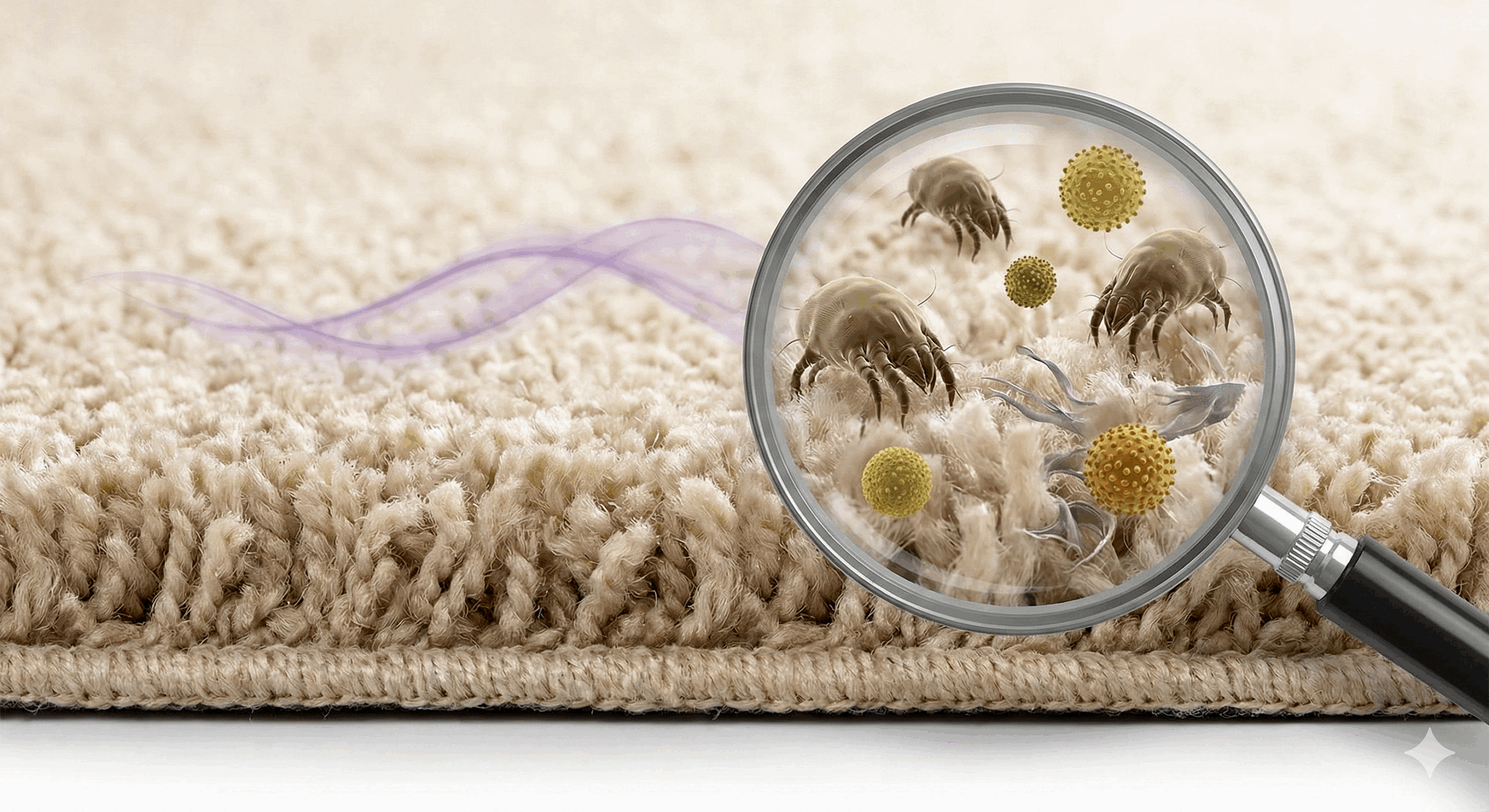
Carpet allergies due to dust mites in Deer Park affect many residents, especially those with asthma or sensitivities. Dust mites thrive in warm, humid environments, and Deer Park’s proximity to the Maribyrnong River can elevate indoor humidity, creating ideal conditions. These microscopic pests feed on skin flakes and produce allergens that trigger sneezing, itching, and respiratory issues.
IICRC’s 2026 guidelines emphasize that carpets act as filters, trapping mites and their waste, but without regular deep cleaning, they become allergen reservoirs. In Deer Park, pollen from local parks adds to the mix, worsening symptoms. Studies show that unclean carpets can increase allergen levels by 10 times, impacting family health.
Practical advice includes maintaining humidity below 50% with dehumidifiers and washing bedding weekly in hot water. Vacuum with HEPA filters and consider anti-allergen treatments. For related health risks, read about health risks of dirty carpets. Professional cleanings using low-moisture methods reduce mite populations by 90%, improving indoor air—see how carpets affect indoor air quality.
For families, this means fewer sick days and better sleep. In end-of-lease scenarios, addressing allergens ensures a healthier handover. Speaking of cleaning methods, many turn to DIY solutions, but as we’ll see, incorrect DIY carpet cleaning in Deer Park can lead to more problems.
Incorrect DIY Carpet Cleaning in Deer Park
Incorrect DIY carpet cleaning in Deer Park is a trap many fall into, often worsening issues rather than resolving them. With easy access to rental machines and store-bought cleaners, residents attempt to save time and money, but without proper knowledge, results can be disastrous. Common mistakes include over-wetting, using harsh chemicals, or inadequate extraction, leading to mold, residue buildup, and fiber damage.
In the Deer Park area, where hard water is common, DIY shampoos can leave soapy residues that attract more dirt, causing rapid re-soiling. IICRC warns that improper pH balance can void warranties and shorten carpet life. For instance, baking soda hacks might seem effective but can clog vacuums and harbor bacteria.
Tips to avoid pitfalls: Always pretest cleaners, extract thoroughly, and dry quickly. However, for tough stains like wine or pet odors, professional methods are superior—check wine stain removal pet stains on carpets. Comparing costs, DIY might seem cheaper, but errors lead to higher long-term expenses; see is it cheaper to DIY or clean it myself.
Health-wise, residues from DIY can irritate skin—learn about skin irritation from dirty carpets. Opting for expert advice ensures safety and efficacy. This brings us to wrapping up the key insights.
Key Takeaways and Maintenance Advice
In summary, carpet cleaning problems in Deer Park encompass browning from moisture and soils, wear from high traffic, allergies from dust mites, and pitfalls of incorrect DIY methods. By adhering to IICRC’s 2026 best practices, such as regular vacuuming, humidity control, and periodic professional cleanings, you can mitigate these issues effectively.
General advice includes investing in quality doormats, addressing spills promptly, and scheduling assessments for end-of-lease needs—explore end of lease carpet cleaning Melbourne. Prioritizing these steps not only enhances your home’s aesthetics but promotes a healthier living environment in Deer Park. For more on professional approaches, consider benefits of professional carpet cleaning.